
Popular Options For Backyard Concrete Resurfacing Projects
Explore a range of trusted products designed to revitalize and protect your outdoor concrete areas effectively.
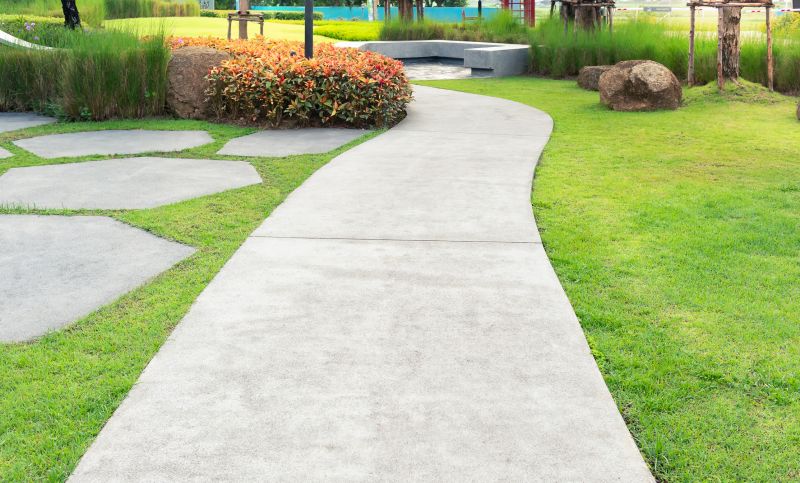 Transforming a worn or damaged backyard concrete surface can significantly enhance the overall aesthetic and functionality of outdoor spaces. Resurfacing products offer a versatile solution for revitalizing patios, walkways, and driveways without the need for complete replacement. These products are designed to adhere to existing concrete surfaces, providing a fresh, durable finish that can mimic various textures and styles. Whether aiming for a sleek modern look or a textured rustic appearance, there are numerous options available to suit different design preferences.
Top Overall Option
Polymer-Modified Concrete Overlay
A polymer-modified concrete overlay is a versatile choice known for its strong adhesion, flexibility, and durability. It can be applied over existing concrete surfaces to create a smooth, resilient finish that resists cracking and weathering. This type of overlay often allows for various textures and decorative finishes, making it suitable for a range of backyard resurfacing projects. Its ease of application and long-lasting performance make it a popular option for homeowners seeking a reliable solution.
Types of Products For Backyard Concrete Resurfacings
Acrylic Concrete Coatings
These coatings provide a quick-drying, flexible surface with options for color and texture, suitable for patios and walkways.
Polyurethane Resurfacers
Known for their durability and chemical resistance, ideal for high-traffic outdoor surfaces.
Epoxy Floor Coatings
Offer a glossy, hard finish that can be customized with colors and decorative chips, suitable for patios and decorative surfaces.
Stamped Concrete Overlays
Designed to mimic stone, brick, or tile patterns, providing a decorative and textured finish.
Polymer-Modified Overlays
Flexible and strong, these overlays adhere well to existing concrete and resist cracking.
Resin-Based Microtoppings
Thin, durable coatings that can be textured or colored for a customized look.
Quartz Aggregate Overlays
Embedded with quartz particles, these create a textured, slip-resistant surface.
Polyaspartic Coatings
Fast-curing coatings suitable for large areas, offering UV stability and chemical resistance.
Spray-On Resurfacing Products
Applied with a spray gun, these products offer seamless finishes with various textures.
Decorative Concrete Stains
Provide color and pattern variations, enhancing the natural look of concrete surfaces.
Textured Concrete Sealers
Sealers that add slip resistance and enhance surface durability with textured finishes.
Self-Leveling Overlays
Create a smooth, even surface over uneven or damaged concrete, ideal for leveling.
Popular Choices
Widely used for their ease of application and variety of finish options, suitable for many backyard surfaces.
Favored for their resilience and flexibility, often chosen for high-traffic outdoor areas.
Known for their glossy, durable finish, popular in decorative outdoor applications.
A trending decorative option that provides the appearance of stone or brick without full replacement.
Chosen for textured, slip-resistant surfaces that combine durability with visual interest.
Popular for their thin profile and customizable textures, suitable for detailed decorative work.
Quick-curing options that are increasingly favored for large or time-sensitive projects.
A popular way to add color and visual interest with minimal surface preparation.
Enhance slip resistance and durability, often selected for safety and longevity.
Ideal for creating a smooth, level surface over uneven concrete, trending for repair projects.
Choosing the right resurfacing product involves considering factors such as surface preparation, application method, and desired final appearance. Some products are formulated for easy DIY application, while others may require professional installation to achieve optimal results. The variety of finishes—ranging from smooth overlays to textured patterns—allows homeowners to customize their outdoor spaces to match their aesthetic vision. Additionally, many resurfacing products are designed to withstand outdoor elements, offering long-lasting performance in diverse weather conditions.
Proper surface preparation is crucial for ensuring adhesion and durability. This often involves cleaning the existing concrete thoroughly, repairing any cracks or chips, and sometimes etching the surface to improve bonding. Once prepared, the application process can vary from brushing and rolling to spraying, depending on the product type. Finishing touches, such as sealing or adding decorative aggregates, can further enhance the appearance and longevity of the resurfaced concrete.
Investing in quality resurfacing products can provide a cost-effective way to update outdoor concrete surfaces, extending their lifespan and improving curb appeal. With a wide range of options available, homeowners can select products that match their technical skills, aesthetic goals, and budget constraints, making backyard concrete resurfacing a manageable and rewarding project.
Key Buying Considerations
- Compatibility with existing concrete surface to ensure proper adhesion.
- Desired finish texture, such as smooth, textured, or stamped patterns.
- Weather resistance and durability for outdoor exposure.
- Ease of application, whether DIY or professional installation required.
- Cure time and project timeline constraints.
- Color options and ability to customize the appearance.
- Slip resistance, especially for walkways and pool areas.
- Sealing requirements for added protection and longevity.
- Cost and overall budget for the resurfacing project.
- Compatibility with decorative elements like aggregates or stains.
- Resistance to cracking and movement in the existing concrete.
- Environmental conditions during application, such as temperature and humidity.
- Maintenance needs post-application for ongoing appearance and protection.
- Availability of product samples or color charts for visualization.
- Warranty or manufacturer support for the product.